Afforestation
Mini Forests Planted
0
Trees Planted
0
+
Afforestation Campaigns: Restoring Green Cover for a Sustainable Future
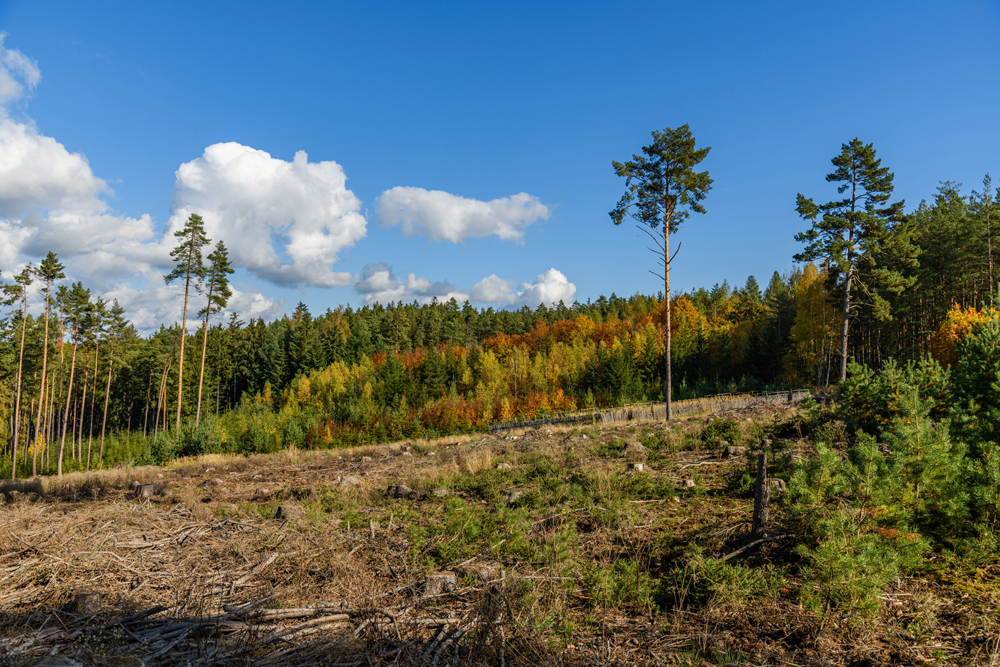
At Karvaan Foundation, we take immense pride in leading impactful afforestation campaigns aimed at restoring green cover and addressing the growing challenges of climate change. Trees are the lungs of our planet, and their rapid disappearance due to urbanization, deforestation, and changing land use patterns has made it more urgent than ever to take decisive, community-driven action. Our afforestation efforts are rooted in a deep commitment to ecological restoration, biodiversity conservation, and long-term environmental sustainability. Over the years, our campaigns have resulted in the planting of thousands of trees across different regions of Maharashtra and beyond. We place a strong emphasis on native species, as they are naturally adapted to local soil and climatic conditions, require less water and maintenance, and provide the best support for local wildlife, insects, and birds. By choosing native trees over ornamental or exotic varieties, we ensure that every sapling planted contributes meaningfully to the restoration of the local ecosystem.Community at the Heart of Every Campaign
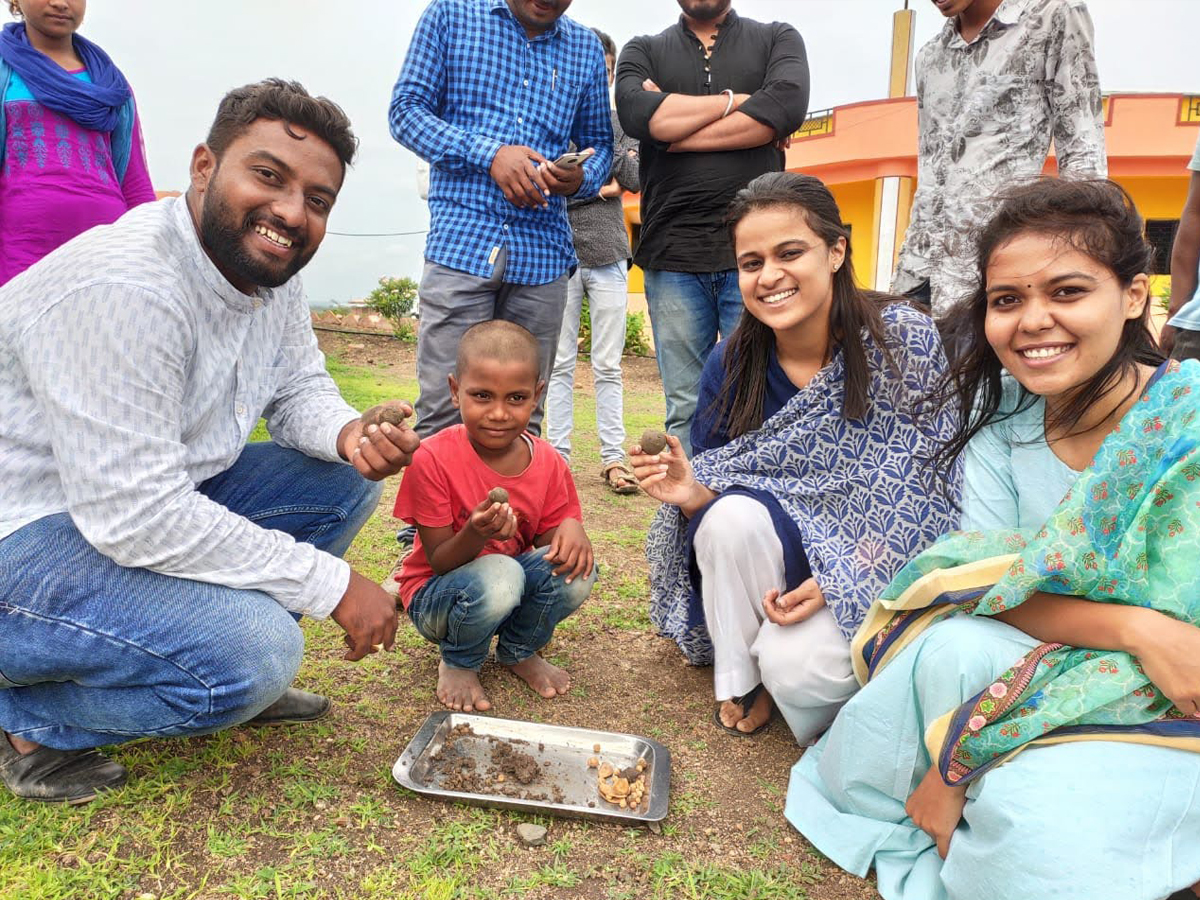
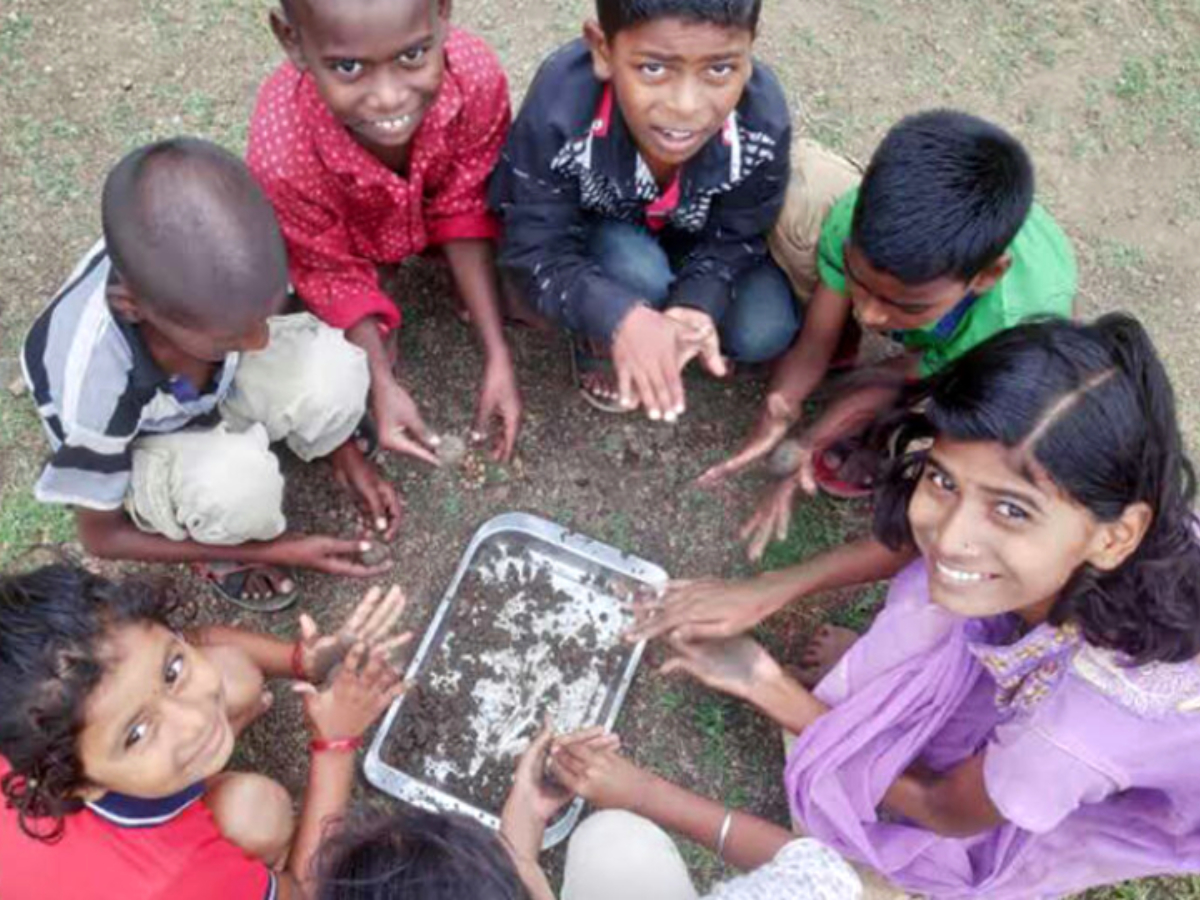
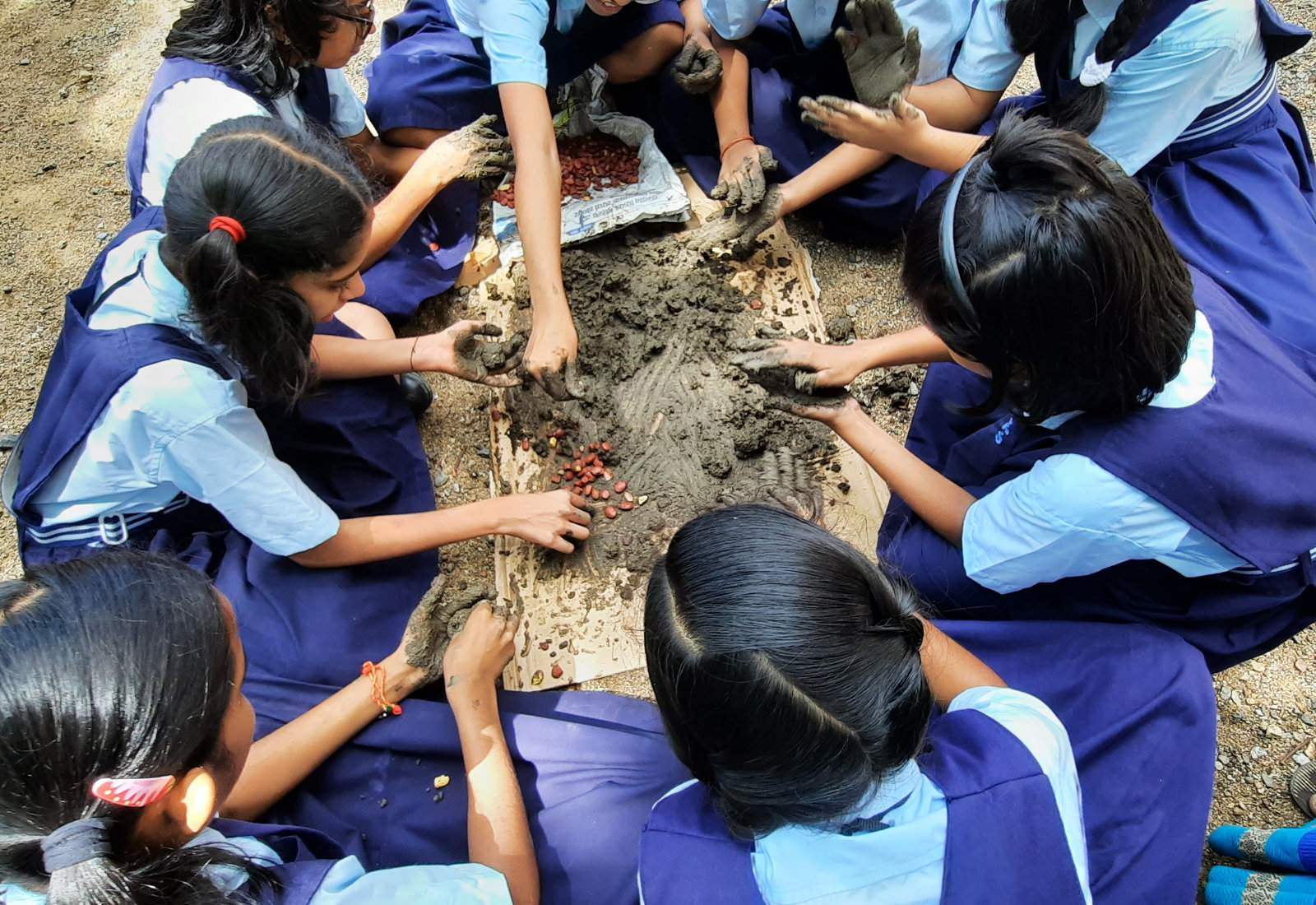
We firmly believe in the power of community, and our afforestation campaigns actively engage local residents, schools, colleges, and volunteers in tree plantation drives, environmental education, and awareness initiatives. Every plantation drive is more than just putting a sapling in the ground. It is an opportunity to bring people together, build a shared sense of responsibility, and inspire lasting behavioural change towards the environment. Our volunteers and community members are trained on the importance of post-plantation care, including watering schedules, protection from grazing animals, and monitoring growth. This ensures that the trees we plant do not just survive but thrive for generations to come. By involving local communities at every stage, we create a sense of ownership that dramatically improves the survival rate of planted saplings.Mini-Forests in Udgir: The Miyawaki and Palekar Approach
One of our most significant achievements in afforestation has been the successful creation of two mini-forests in Udgir, Maharashtra, each comprising 5,000 trees. These mini-forests stand as a testament to what is possible when innovation, traditional knowledge, and community effort come together. The afforestation in these mini-forests has been carried out using the globally acclaimed Miyawaki technique of plantation. Developed by Japanese botanist Akira Miyawaki, this method involves planting a dense mix of native species in layers, mimicking the structure of a natural forest. The result is a forest that grows up to ten times faster than conventional plantations, is significantly more dense, and becomes self-sustaining within a few years without the need for irrigation, fertilizers, or human intervention. Complementing the Miyawaki technique, we have also incorporated the organic farming principles of Palekar Guruji, also known as the father of Zero Budget Natural Farming in India. His approach emphasizes working with nature rather than against it, using locally available organic inputs to enrich the soil and support healthy plant growth without the use of chemical fertilizers or pesticides.Building a Greener, Healthier Future
Together, these two powerful methodologies have allowed Karvaan Foundation to create thriving, biodiverse mini-forests in Udgir that are already showing remarkable results in terms of canopy cover, soil health, and local biodiversity. Birds, insects, and small animals have begun returning to these areas, signalling the gradual restoration of a healthy ecosystem. Our afforestation campaigns are more than an environmental initiative. They are a movement. A movement built on the belief that every individual, every school, every community has the power to make a difference. By continuing to expand our plantation drives across Maharashtra and other regions, Karvaan Foundation remains committed to contributing to the global fight against climate change, ensuring ecological balance, and nurturing a greener, healthier future for generations to come.